
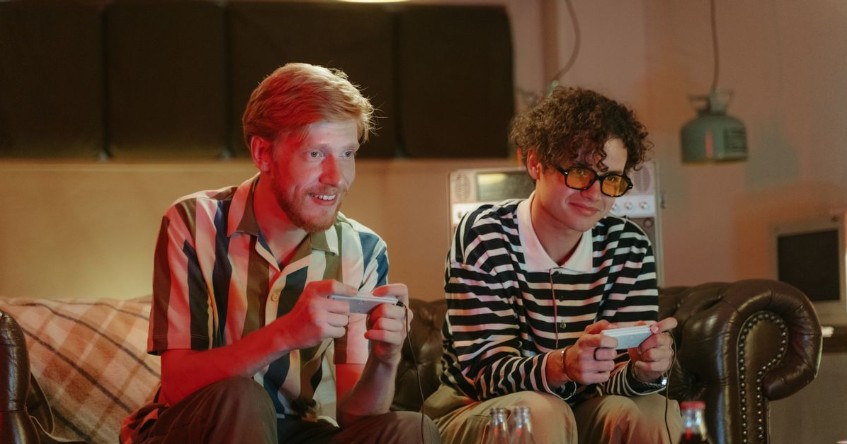
Have you ever noticed how online gaming feels less like a solo pastime and more like meeting up with people? That shift did not happen by accident. Over time, online games became places where conversation, teamwork, and routine social contact happen almost as naturally as play itself.
For a lot of people, gaming now fills some of the same space once held by phone calls, local hangouts, or message boards. Friends log in after school or work, talk while playing, and keep up with each other in a setting that feels relaxed and familiar.
What makes this habit interesting is that it blends entertainment with social behavior. People are not just passing time. They are joining regular groups, sharing goals, and building small rituals that can become part of everyday life.
Why Social Connection Became Central
Online play gradually turned communication into part of the main experience.
Early online games often focused on competition or cooperation, but improved internet access and built-in chat changed the rhythm of play. Instead of treating other players as strangers who happened to be in the same match, people started treating them as teammates, rivals, and familiar voices. That repeated contact made gaming feel social in a very direct way.
It also helps that games give people something specific to do together. Talking is easier when there is a shared task on screen. Players can plan, react, joke around, and solve problems at the same time. For many, that structure feels less awkward than a video call or random text conversation.
Shared Goals Make Interaction Easier
In most online games, people are working toward something. They may be trying to win, complete objectives, or improve as a group. Shared goals reduce social pressure because the activity gives everyone a clear reason to participate. Conversation happens naturally around the task.
That is one reason gaming became a regular habit for friend groups. It offers a place to catch up without forcing constant small talk. Even discussions about strategy can turn into personal conversations once people feel comfortable.
How Routine Turned Gaming Into A Habit
One of the biggest changes was how often people started showing up.
Social habits grow through repetition, and online gaming fits that pattern well. Weekly matches, nightly sessions, and weekend tournaments create a rhythm people can count on. When the same group logs in at the same time, gaming becomes less of a random activity and more of a social appointment.
That routine matters because habits are easier to keep when they are tied to other people. If friends expect you to be there, logging in feels similar to showing up for a casual meetup. Even people who first joined for the gameplay often stay because of the group.
Digital Spaces Can Feel Familiar
Repeated visits make virtual spaces feel known and comfortable. Players return to the same maps, modes, or chat channels and start connecting those spaces with certain people and moods. Communities often form around that feeling, and discussions on sites such as AZTEC888 reflect how online play is often treated as part of a normal social routine rather than an isolated hobby.
Once a space feels familiar, it becomes easier to relax and be yourself. That comfort is a big reason people keep coming back, even when they are not focused on serious competition.
The Role Of Voice Chat And Live Interaction
Real-time communication changed the tone of online gaming in a big way.
Text chat helped players coordinate, but voice chat added personality. People could hear tone, humor, excitement, and frustration right away. That made interactions feel more human and less distant. A teammate stopped being just a username and started sounding like a real person sitting in the same room.
Live communication also supports quick social bonding. A close match, a funny mistake, or a shared win can create instant memories. Those moments often become inside jokes that strengthen the group over time.
Conversation Extends Beyond The Match
Once players get used to talking during games, the conversation often expands. They discuss school, work, sports, movies, or daily life between rounds. Some communities linked with places like PGBET888 show how gaming spaces can also serve as casual meeting points where people connect through both play and conversation.
This is part of what makes online gaming a modern social habit instead of just a technical feature. The game starts the interaction, but the social connection keeps it going.
Why Online Gaming Appeals To Different Age Groups
The social side of gaming works for more than one generation.
Younger players often use games as a natural extension of friendship. Older players may see them as an easy way to stay in touch across distance and busy schedules. In both cases, gaming offers flexibility. People can join for twenty minutes or stay for hours, and the social benefit still counts.
That flexibility is part of the appeal. Traditional meetups require travel, timing, and planning. Online gaming lowers those barriers, making regular contact easier. It gives people a simple reason to connect without much setup.
A New Kind Of Social Normal
As digital communication became part of everyday life, gaming fit right into that shift. It mixes conversation, cooperation, and routine in one place. For many people, logging in to play with others is now as normal as sending messages or joining a group chat.
Online gaming became a modern social habit because it does more than entertain. It gives people a shared activity, a familiar schedule, and a comfortable way to stay connected. That mix has helped turn play into a lasting part of social life.